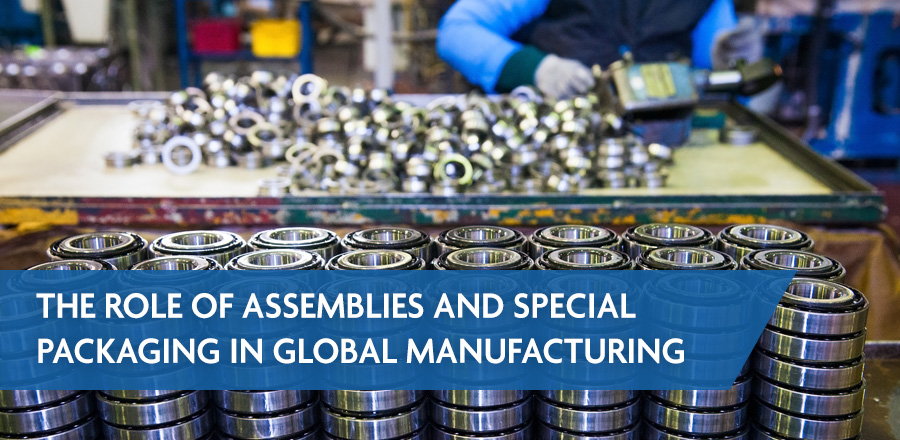
Global manufacturing is no longer just about sourcing parts at a competitive unit cost. For procurement teams supporting OEM and MRO operations, the real wins often come from reducing labor, simplifying inbound workflows, preventing damage, and improving build consistency. That is where value-added services like sub-assemblies, kitting, labeling, and special packaging become high-impact tools—especially when paired with a disciplined global sourcing strategy.
Why Assemblies and Special Packaging Matter in Modern Supply Chains
At Ryadon Global Sourcing, we help customers consolidate suppliers, reduce touch points, and improve production readiness by coordinating assemblies and packaging programs through qualified global partners. Whether you need ready-to-install hardware kits, pre-bagged component sets, or protective export packaging for machined parts, the right strategy can shorten lead times, improve quality outcomes, and reduce total cost of ownership.
When parts arrive as loose components, your internal team carries the burden: receiving, counting, sorting, labeling, staging, and protecting parts through storage and movement. Each step introduces labor cost and risk. By shifting select tasks upstream to the manufacturer—and validating them through structured quality inspection programs—you gain efficiency and control.
Reduced Handling and Labor Costs
Pre-assembled or pre-kitted parts reduce warehouse touches and assembly-line prep. This is especially impactful for high-mix builds where line-side staging time adds up quickly and labor efficiency is critical.
Improved Quality and Consistency
Standardized kits and assemblies reduce the chance of missing components, mixed revisions, or incorrect fasteners being installed. Packaging can also include inspection checkpoints and serialized labels to strengthen traceability—particularly important for regulated or high-spec manufacturing programs.
Lower Freight Damage and Field Failure Risk
Protective packaging—such as corrosion inhibitors, foam, molded trays, or compartmentalized kits—prevents damage during long-distance shipping and minimizes cosmetic defects that trigger rework or rejection. This is especially relevant for globally sourced components moving through complex international logistics channels.
Faster Production Starts
When materials arrive “line-ready,” you reduce delays caused by sorting, counting, or repacking. This supports lean manufacturing goals and helps protect on-time delivery metrics across OEM and MRO operations.
Common Assembly and Kitting Solutions
1. Sub-Assemblies
Sub-assemblies combine multiple parts into a ready-to-install component, reducing steps on your production floor. Examples include bracket assemblies with installed hardware, pre-mounted bushings, or machined components with pressed-in inserts—often sourced alongside related industrial components for supplier consolidation.
2. Kitting and Component Sets
Kitting groups multiple SKUs into a single kit that supports a job, build, or maintenance task. Kits can be organized by station, product model, or service interval. This is ideal for hardware packs, repair kits, and line-side replenishment programs.
3. Light Assembly and Mechanical Joining
Depending on product requirements, light assembly can include pressing, staking, riveting, threading, adhesive bonding, or installing seals and gaskets. The goal is to ship a more complete unit with fewer steps required after receipt, while maintaining consistent workmanship across production runs.
4. Labeling, Barcoding, and Serialization
Packaging programs often include customer-specific labeling, barcode formats, lot codes, and serialized labels to support ERP/WMS workflows. This improves traceability and speeds up receiving and cycle counting, particularly for high-volume or multi-location operations.
5. Multi-Pack and Line-Side Packs
Protective Packaging for Machined and Finished Parts
For production environments, line-side packs can be designed to match takt time and usage patterns—such as packaging fasteners in exact quantities per unit build, or delivering components in station-ready sequences.
Special Packaging Options That Protect Quality and Reduce Waste
Machined and coated parts often require packaging that prevents metal-to-metal contact, scratches, and dents. Options include compartment trays, foam separators, sleeves, and custom dividers to maintain cosmetic and functional integrity throughout the supply chain.
Corrosion Protection for Long Transit and Storage
For steel and sensitive alloys, protective packaging may include VCI materials, desiccants, sealed barrier bags, and oil wrapping depending on the environment, route, and storage duration—especially for overseas shipments supporting industrial OEM markets.
Export-Ready Crating and Palletization
For international shipments, proper pallet build and crating reduces damage and simplifies handling. Export packaging may include heat-treated wood, reinforced corner protection, and container-optimized stacking to comply with global shipping standards.
Custom Inserts and Returnable Packaging
When volumes justify it, engineered inserts or returnable containers can reduce waste and improve consistency. This is common for ongoing OEM programs where packaging becomes part of the production system rather than a disposable afterthought.
How Procurement Teams Should Evaluate Value-Added Assembly and Packaging
To make these programs successful, procurement needs to align requirements across engineering, quality, operations, and logistics. The best results happen when packaging and assembly standards are built into the RFQ and validated early—often alongside supplier audits and supplier capability assessments.
1. Define the “Line-Ready” Requirement
Clarify what “ready to use” means: assembled, counted, labeled, pre-inspected, or staged by station. This reduces assumptions and prevents rework.
2. Confirm Packaging Performance Requirements
Consider vibration, humidity, salt exposure, stacking strength, and cosmetic requirements. Packaging should be designed to survive the supply chain environment—not just look clean at shipment.
3. Evaluate Total Cost, Not Unit Price
Assembly and packaging may increase piece price, but the reduction in internal labor, damage, and line disruption can outweigh the added cost when viewed holistically.
4. Audit Supplier Capability and Consistency
Not every factory is equipped for controlled kitting, labeling, or quality gates. Capability validation and consistent work instructions matter for long-term program stability.
5. Build a Quality Plan for Assemblies and Kits
Define inspection points, acceptance criteria, and traceability expectations. For ongoing programs, this can include first-article approvals and periodic audit checks.
How Ryadon Supports Assembly and Special Packaging Programs
Ryadon Global Sourcing helps customers implement value-added programs through a structured sourcing and quality approach. We coordinate supplier selection, packaging engineering, and production controls to ensure assemblies and kits arrive consistently, on time, and ready for use.
Our support can include supplier capability vetting, defined work instructions, packaging specifications, incoming inspection planning, and ongoing production monitoring for repeatable results.
Explore our capabilities and product support here: Ryadon Products.
Conclusion: Value-Added Services That Make Global Sourcing Work Harder
Assemblies, kitting, and special packaging are practical ways to strengthen your supply chain beyond unit cost savings. When done right, these programs reduce touches, prevent damage, improve build consistency, and help procurement teams deliver measurable operational value.
If you are looking to simplify inbound workflows or reduce production-line friction, Ryadon can help you design an assembly and packaging strategy that fits your components and your manufacturing reality.
Start a conversation with our team: Request a Quote.
What is the difference between kitting and assemblies?
Kitting groups multiple parts into a packaged set, while assemblies combine parts into a partially or fully built component that reduces installation steps.
When should an OEM use line-side packaging?
Line-side packaging is best when production efficiency matters—especially for high-volume builds, mixed-model assembly lines, or processes where staging time impacts throughput.
How does special packaging reduce total cost?
It reduces internal labor for counting and sorting, minimizes shipping damage, lowers rejection rates, and can shorten production delays caused by missing or damaged components.
Can Ryadon support custom labeling and barcode requirements?
Yes. We can coordinate customer-specific labeling, barcode formats, lot codes, and serialization to support receiving, traceability, and ERP/WMS workflows.
What industries benefit most from assembly and kitting programs?
OEMs and MRO operations across industrial manufacturing, transportation, automation, agriculture, and aerospace often see strong ROI due to reduced handling and improved production readiness.